How to Prepare TNPSC Current Affairs Daily
Published on 29 December 2025
Latest Posts
10 Best TNPSC YouTube Channels for Exam Preparation
IntroductionChoosing the right study materials is one of the biggest challenges for TNPSC aspirants. With a large syllabus and limited time, free and useful learning resources are very important. Many students now prefer YouTube over costly coaching classes. YouTube offers simple and clear explanations through Tamil Nadu focused channels. These channels help in exam-oriented learning for TNPSC Group 1, Group 2, and Group 4. Below are some of the top YouTube channels that support effective study and revision. Best TNPSC YouTube Channels to Follow Best TNPSC YouTube Channels help aspirants prepare for Group 1, 2, and 4 exams with free classes, clear explanations, and exam-oriented content. Choosing the right channels saves time and improves understanding. 1. Vetrii IASVetrii IAS is well-known for clear explanations of General Studies, Polity, and History. Their TNPSC-focused content is easy to understand and beginner-friendly.2. R Square AcademyR Square Academy offers topic-wise TNPSC classes, current affairs analysis, and exam strategies. Their videos are useful for Group 2 and Group 4 aspirants. 3. KingMakers IAS AcademyKingMarkers IAS Academy channel provides detailed TNPSC syllabus coverage, answer-writing tips, and mock test discussions. It is suitable for both beginners and advanced learners. 4. ImpacteersImpacteers offers clear TNPSC exam guidance with structured syllabus explanations and exam-focused learning support. Their content helps aspirants plan preparation effectively and stay motivated throughout the journey. 5. Winmeen TNPSCWinmeen focuses on aptitude, reasoning, and General Science topics. Their simple teaching style helps aspirants improve problem-solving skills. 6. Shankar IAS TNPSC SectionShankar IAS Academy offers selected TNPSC videos on Polity, Geography, and current affairs. Their content is reliable and concept oriented. 7. StudyIQ Tamil -TNPSC StudyIQ Tamil offers structured TNPSC-focused videos on General Studies, current affairs, and exam strategies. Their explanations are simple, concept-based, and suitable for beginners as well as repeat aspirants. 8. Kalvi TV Kalvi TV offers educational content supported by the Tamil Nadu government. It is useful for understanding Samacheer Kalvi-based topics.9. Unacademy TNPSC Unacademy’s TNPSC section provides free classes by experienced educators. It covers both basics and advanced concepts. 10. TNPSC Channel TNPSC channel focuses on revision sessions, short notes, and exam tips. It is suitable for quick learning and final revision. How to Use TNPSC YouTube Channels EffectivelyAvoid following too many channels: Watching many channels at once can create confusion. Select 2–3 reliable TNPSC YouTube channels and stick to them regularly. Watch with a clear plan: Choose videos based on the syllabus and watch them with full focus instead of random browsing. Make short notes: Write down important points while watching videos. Short notes help in quick revision and better memory. Revise every week: Go through your notes weekly to strengthen concepts and avoid forgetting topics. Combine with textbooks: Use standard TNPSC books along with videos to get a deeper understanding of subjects. Practice previous year questions: Solve previous year question papers to know the exam pattern and improve accuracy. This method helps you use YouTube effectively and prepare for the TNPSC exam in a smart way. ConclusionTNPSC YouTube channels can support exam preparation when used wisely. They offer free learning, simple explanations, and easy revision. By choosing the right channels and following a regular study plan, TNPSC success becomes more achievable. FAQ’s 1. Are YouTube channels enough for TNPSC preparation? Yes, YouTube channels are very helpful for understanding concepts, current affairs, and revision, especially for beginners. However, they should be combined with textbooks and practice tests for best results. 2. Which TNPSC YouTube channels are best for beginners? Channels like Shankar TNPSC, Vetrii IAS, and R Square Academy, Impacteers are beginner-friendly because they explain topics in simple Tamil with clear examples. 3. Can I prepare for TNPSC without paid coaching using YouTube? Yes, many aspirants clear TNPSC using free YouTube classes along with self-study, notes, and mock tests. Consistency and proper planning are key. 4. Which YouTube channel is best for TNPSC current affairs? Channels such as Shankar TNPSC and KingMakers IAS regularly cover TNPSC-focused current affairs with exam-oriented explanations. 5. How many hours should I watch TNPSC YouTube videos daily? Watching 2-3 focused hours daily is enough. Avoid binge-watching and always revise or practice questions after watching videos.
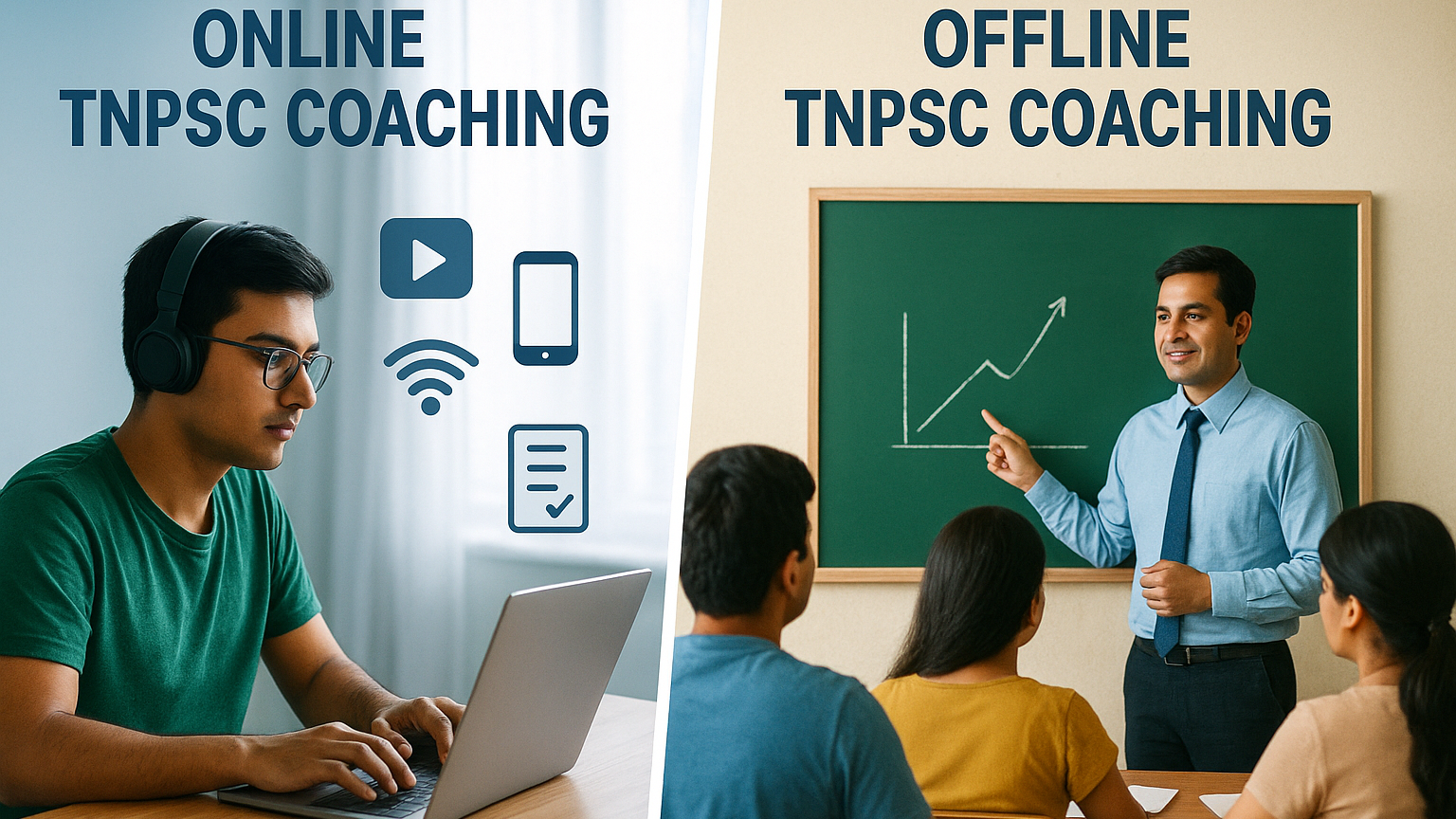
Online vs Offline TNPSC Coaching: Which Is Better?
IntroductionPreparing for the TNPSC exam is a major goal for many aspirants in Tamil Nadu. Choosing the right coaching method plays an important role in exam success. Most students are confused between online and offline TNPSC coaching. Both online and offline TNPSC coaching have their own advantages and limits. The best option depends on your learning style, time schedule, and budget. This guide helps you understand which coaching method suits you better. What Is Online TNPSC Coaching?Online TNPSC coaching is learning through the internet using mobile apps, websites, or live classes. You can attend classes from home using a phone or laptop. Benefits of Online TNPSC CoachingStudy from anywhere: You can learn at home without traveling. Flexible timing: Recorded classes help working students. Lower cost: Online courses are usually cheaper. Repeat lessons: You can watch videos again for better understanding. Access to top teachers: Learn from experienced TNPSC faculty from anywhere. Drawbacks of Online TNPSC CoachingNeeds self-discipline: No one monitors you directly. Internet issues: Poor networks can affect learning. Less personal interaction: Doubt clearing may take time. What Is Offline TNPSC Coaching?Offline TNPSC coaching means attending classes in person at a coaching center. This is the traditional way of learning. Benefits of Offline TNPSC Coaching Direct interaction: You can ask questions instantly. Fixed routine: Helps students who need discipline. Classroom environment: Better focus for some learners. Peer motivation: Studying with others increases confidence. Drawbacks of Offline TNPSC CoachingTravel time: Daily travel can be tiring. Higher fees: Offline classes cost more. Fixed schedule: Less flexible for working candidates. Missed classes: Hard to revise if you miss a session. Which Is Better for TNPSC Preparation?There is no single best option for everyone. Choose online TNPSC coaching if you are a working professional, live far from coaching centers, or prefer flexible learning. Choose offline TNPSC coaching if you need personal guidance, fixed study schedules, and classroom learning. Many successful TNPSC aspirants use a mixed approach. They join online coaching and follow self-study with books and mock tests. ConclusionBoth online and offline TNPSC coaching can help you clear the exam if used correctly. Your success depends more on consistent study, regular revision, and practice, not just the coaching mode. Choose the method that fits your lifestyle and stay focused on your goals. With the right plan and dedication, you can crack the TNPSC exam confidently. FAQs1. Is online TNPSC coaching effective for beginners? Yes. Online TNPSC coaching is effective for beginners if they follow a daily study routine, revise regularly, and attend mock tests seriously. 2. Which is better for working candidates: online or offline TNPSC coaching? Online TNPSC coaching is better for working candidates because it offers flexible timings and recorded classes. 3. Is offline TNPSC coaching necessary to crack the exam? No. Many aspirants clear TNPSC exams through online coaching and self-study. Discipline and practice matter more than coaching mode. 4. Can I combine online and offline TNPSC coaching? Yes. A mixed approach works well. You can use online classes for concepts and offline tests or group study for revision. 5. Does online TNPSC coaching provide mock tests? Yes. Most online TNPSC coaching platforms provide mock tests, practice questions, and test analysis.
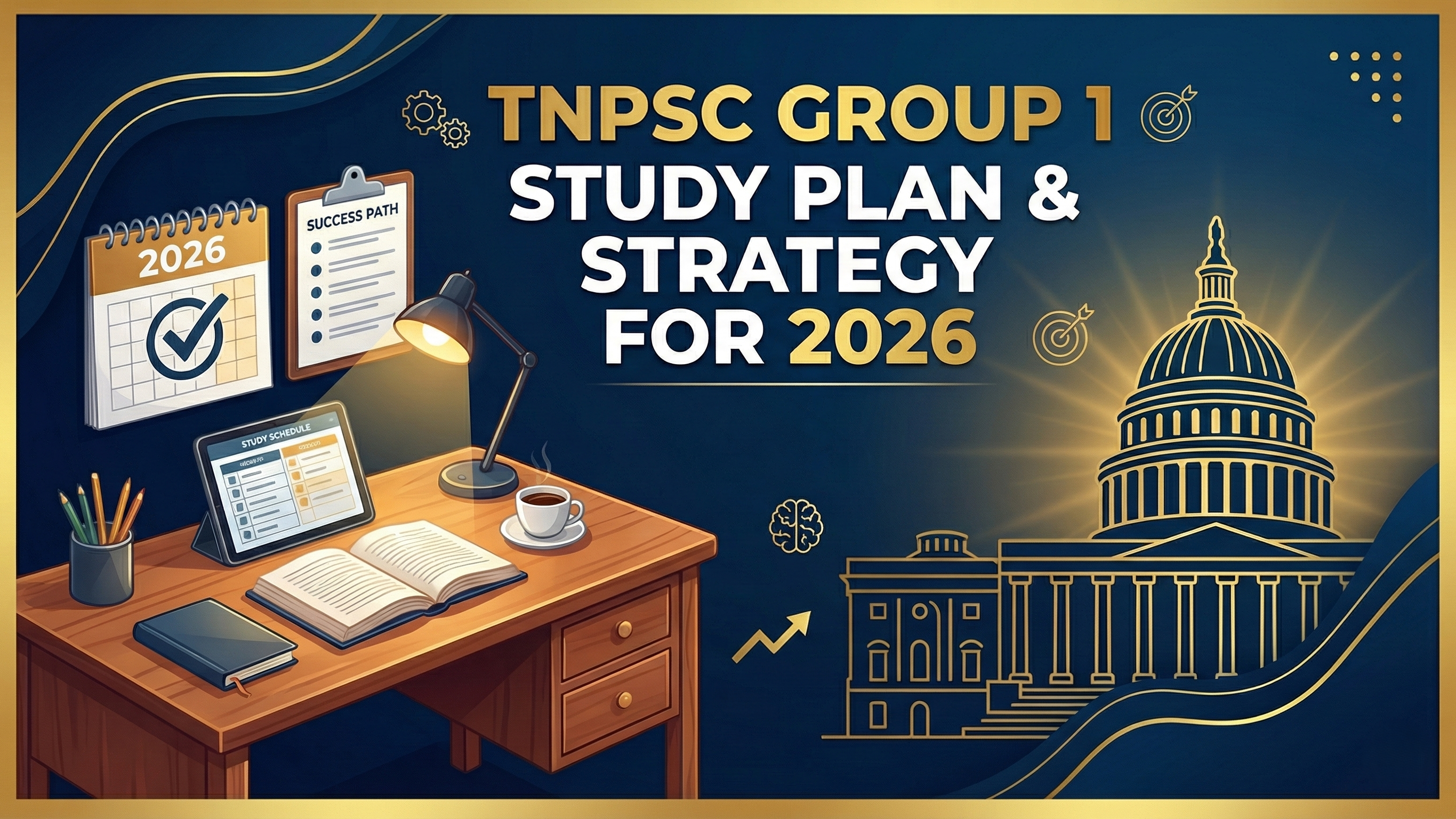
TNPSC Group 1 Study Plan & Strategy for 2026
IntroductionGetting ready for the TNPSC Group 1 Exam should have a solid plan and should stay consistent with learning routines. Because this exam ranks among the hardest in the TNPSC series, candidates need to commit fully without distraction. Building deep insights of topics and should be fully focused. Along with conceptual clarity, aspirants must also develop good answer-writing skills. Practicing previous year questions and mock tests helps improve performance. With the right study plan and steady effort, clearing TNPSC Group 1 in 2026 is completely achievable.Understanding the TNPSC Group 1 Exam TNPSC Group 1 fills key roles like Deputy Collector, DSP, or Assistant Commissioner. It runs through three phases like Prelims, then Mains, followed by an Interview. Every round checks distinct abilities like knowledge of current affairs, thinking skills, also personal qualities. Apart from the vast syllabus, tough competition means most candidates need to prepare seriously for 12-18 months to succeed. TNPSC Group 1 Syllabus OverviewThe Group 1 syllabus mainly includes: General Studies (History, Geography, Political science, Economy, Science) Tamil Nadu History, Culture, and Administration Current Affairs (State, National, International) Aptitude & Mental Ability Tamil/English Language (for qualifying and scoring) TNPSC Group 1 Study Plan for 2026 Daily Study Schedule (6–8 Hours): Morning (2–3 hours): Core subjects like Polity, History, or Economy Afternoon (2 hours): Current Affairs and Tamil Nadu–specific topics Evening (2 hours): Answer writing or MCQ practice Night (1 hour): Revision of notes Regular study matters more than long study hours. Subject-Wise Preparation Strategy A subject-wise approach helps you stay focused and organised throughout preparation. General Studies Start with Samacheer Kalvi textbooks (Classes 6–12) to build strong basics. After that, move to standard reference books for deeper understanding. Tamil Nadu–Specific Topics TNPSC gives high importance to Tamil Nadu history, government schemes, and administration. Revise these topics frequently using TN-focused study materials. Current Affairs Read a daily newspaper and revise monthly current affairs PDFs. Give special attention to Tamil Nadu government schemes, policies, and budget updates. Answer Writing Practice For Mains, practise writing clear and structured answers. Use headings, bullet points, and relevant examples to improve presentation. Best Books for TNPSC Group 1 Preparation Samacheer Kalvi Books (Class 6–12) Indian Polity standard textbook Indian Economy reference book Tamil Nadu history and administration books Monthly current affairs magazines Avoid using too many sources. Stick to limited and reliable materials. Mock Tests and Previous Year Questions Solving previous year question papers helps you understand TNPSC question patterns. Taking weekly mock tests improves time management and accuracy. After every test, analyse mistakes carefully and work on weak areas. Revision Strategy for TNPSC Group 1 Weekly revision of studied topics Monthly full syllabus revision Final 2–3 months for intensive revision and mock tests Regular revision helps retain information and boosts confidence. Interview Preparation StrategyStart interview preparation after clearing Mains. Focus on: Personality development Communication skills Current issues and Tamil Nadu administration Mock interviews for confidence building Common Mistakes to Avoid Studying without a long-term plan Ignoring Tamil Nadu–specific topics Skipping revision and mock tests Using too many studies sources Conclusion A well-structured TNPSC Group 1 study plan and strategy for 2026 is the key to success. Focus on syllabus-based preparation, regular revision, answer writing, and mock tests. With patience, discipline, and the right approach, achieving a top rank in TNPSC Group 1 is possible. FAQ’s 1. How long does it take to prepare for TNPSC Group 1? Most aspirants need 12–18 months of focused preparation to cover the syllabus and practise thoroughly. 2. Is TNPSC Group 1 very difficult to crack? Yes, it is challenging, but with proper planning and discipline, it is achievable. 3. What should I focus on first for TNPSC Group 1 preparation? Start by understanding the syllabus and exam pattern, then build strong basics using Samacheer Kalvi books.
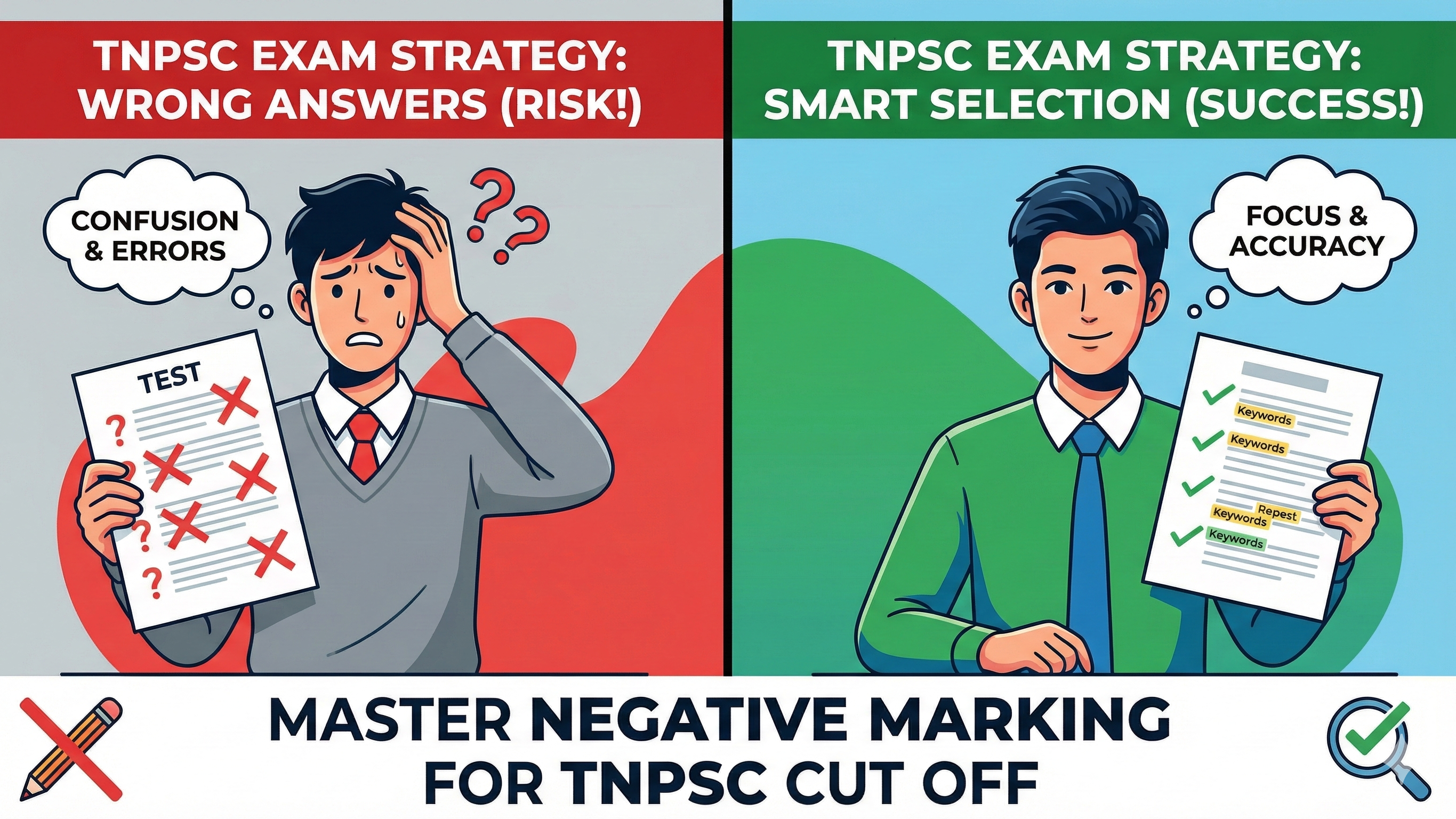
How Negative Marking Affects TNPSC Cut Off
Introduction Negative marking plays a big role in TNPSC cut-off marks, but many candidates do not take it seriously. Trying to answer more questions may look helpful, but guessing answers often reduces the final score. When candidates understand how the marking system works, they can avoid easy mistakes and score better. TNPSC exams are very competitive. Even two or three marks can decide whether a candidate is selected or not. This is why every serious aspirant should clearly understand how negative marking affects the cut off. The points below explain this in detail. What Is Negative Marking in TNPSC? Negative marking means marks are deducted for incorrect answers. This system is applied only in some TNPSC exams, usually in objective-type papers. When negative marking is present, every wrong answer reduces your total score and may push you below the required cut off. Therefore, accuracy becomes more important than attempting many questions. Getting fewer answers right is often better than attempting many questions with low confidence. How Negative Marking Impacts TNPSC Cut Off? Negative marking can lower TNPSC cut off marks in many ways. When answers are wrong, marks are deducted. Candidates who make more mistakes lose important marks. Even if they try many questions, low accuracy makes it hard to reach the cut off. In tough TNPSC exams, losing just 5 to 10 marks can decide the result. A small mistake can push a candidate below the cut off. This is why answering carefully and choosing questions wisely is very important. Why Guessing Can Be Dangerous? Blind guessing increases the risk of losing marks quickly. Many aspirants assume attempting all questions improves chances, but negative marking punishes this approach. One wrong guess can cancel out the marks earned from a correct answer. Smart candidates focus on questions they are confident about and avoid risky attempts, which helps maintain a stable score above the TNPSC cut off. Smart Strategies to Handle Negative Marking To protect your score, attempt only those questions where you are reasonably confident. Use elimination techniques to remove incorrect options before answering. Practising mock tests regularly helps you judge when to attempt and when to skip a question. Time management also plays a role rushing leads to careless mistakes that result in negative marks. Role of Mock Tests in Managing Cut Off Risk Mock tests help you understand how the real TNPSC exam feels. They show how wrong answers reduce your total marks. By checking your mock test results, you can see where you make mistakes and avoid repeating them. Practising mock tests regularly improves accuracy. It also helps you score safely above the TNPSC cut off and boosts confidence before the exam. Conclusion Negative marking has a strong influence on TNPSC cut off marks. Poor handling of negative marking can significantly reduce your chances of selection. Success in TNPSC exams depends not only on knowledge but also on strategy. Avoid random guessing, focus on accuracy, and practise consistently. These steps will help you secure better marks, improve confidence, and stay above the required cut off. FAQ’s 1. Does TNPSC include negative marking in all exams? No. Negative marking is not applied in all TNPSC exams. Candidates should always check the official notification to confirm the marking scheme. 2. How does negative marking affect TNPSC cut off marks? Negative marking reduces scores for incorrect answers. Candidates with poor accuracy may fall below the cut off, even after attempting many questions. 3. Should questions be skipped in TNPSC exams? Yes. If a question seems risky and you are unsure of the answer, it is better to skip it to avoid losing marks. 4. How many wrong answers can affect selection? Even a few incorrect answers can lower your score significantly in competitive exams and affect your final ranking. 5. How can I avoid losing marks due to negative marking? Focus on questions you are confident about, use elimination techniques, and practise mock tests regularly to improve accuracy.